Colored Concrete Walls vs. Traditional Concrete Finishes
People seeking concrete wall finishing often want durable, attractive surfaces; local contractors can help choose and apply colored concrete walls or traditional finishes to meet their style.
Visitors exploring options for concrete wall finishes are in the right place. Whether property owners are considering colored concrete walls versus traditional concrete finishes, understanding the benefits and differences can help inform smart choices for enhancing outdoor spaces, driveways, or decorative features. Many property owners in the area are drawn to the visual appeal and customization options that colored concrete offers, while others appreciate the classic look and durability of traditional finishes. This page aims to provide practical insights into these options and highlights how local contractors specializing in concrete wall finishing can assist in achieving the desired results.
As property owners weigh their options, it’s important to consider factors like aesthetic preferences, maintenance needs, and long-term performance. Local service providers who focus on concrete wall finishing can help evaluate these considerations and recommend the best approach for individual projects. Whether opting for vibrant, colored concrete walls or sticking with traditional finishes, connecting with experienced local contractors ensures the work aligns with both style goals and practical requirements. Keep reading to explore the key differences and discover how professional finishing services can bring your vision to life.
- Concrete wall finishing services are often needed for projects where homeowners want to enhance the aesthetic appeal of colored concrete walls versus traditional concrete finishes, and local contractors can provide tailored solutions.
- When designing decorative or visually striking concrete walls, local service providers can apply specialized finishes that highlight color variations or textures, compared to standard finishes.
- For renovations that involve updating existing concrete walls with unique colors or patterns, local pros use techniques to achieve durable and attractive results aligned with client preferences.
- In projects requiring consistent color application or intricate surface textures, local contractors can customize concrete wall finishes to match the desired style, whether colored or traditional.
- Individuals seeking to differentiate their spaces with vibrant or textured concrete walls often turn to local pros who specialize in finishing techniques suited for both colored concrete walls versus traditional finishes.
When homeowners explore options for finishing concrete walls, they often compare colored concrete walls versus traditional concrete finishes. This search typically stems from a desire to enhance the aesthetic appeal of outdoor spaces, such as patios, retaining walls, or garden boundaries, or to improve the visual impact of interior features like basement walls or interior partitions. People seeking this information usually want to understand the differences in appearance, durability, and customization possibilities between these two approaches. They may also be considering how each type aligns with their overall design goals, whether aiming for a bold, modern look or a more classic, understated finish. Understanding these distinctions helps homeowners make informed decisions that match their style preferences and functional needs.
The decision between colored concrete walls and traditional finishes often relates to specific project goals or property types. For example, a homeowner planning a decorative backyard feature might look for a colorful, eye-catching wall that adds vibrancy to the landscape, while someone upgrading a basement might prefer a more subtle, uniform look with a traditional finish. Problems that lead to this comparison include wanting to hide imperfections, achieve a certain color scheme, or create a unique focal point. These projects can involve retaining walls, boundary fences, or interior partitions in residential properties, as well as commercial or industrial sites where visual appeal or branding is a concern. Local contractors who specialize in concrete wall finishing can help evaluate these needs and recommend the best approach for each property.
Properties that often come up in discussions about colored concrete walls versus traditional finishes include residential homes, commercial buildings, and public spaces. In residential settings, the choice may depend on the style of the home, landscape design, and the desired impact of the walls. For commercial properties, branding and aesthetic consistency might influence the decision, especially if the walls are visible to customers or visitors. Public spaces such as parks or community centers may also utilize colored finishes to create inviting environments, while industrial sites tend to favor traditional finishes for their durability and simplicity. Local service providers can offer expertise on how each finish type performs in different property contexts, ensuring that the chosen approach aligns with both aesthetic goals and practical requirements.
Ultimately, understanding the differences between colored concrete walls and traditional concrete finishes helps homeowners envision the final look of their property and anticipate maintenance or longevity concerns. Local contractors specializing in concrete wall finishing can provide guidance on the advantages and limitations of each option, helping clients select the right solution for their project. Whether aiming for a vibrant, customized appearance or a classic, understated look, connecting with experienced service providers ensures that the finished walls meet expectations. This knowledge supports informed decisions and helps homeowners achieve durable, attractive results that complement their property’s style and function.
Stamped concrete projects - Professionals experienced in stamped concrete can apply similar techniques to colored concrete walls, enhancing visual appeal with patterns and textures that complement finishes like traditional or colored surfaces.
Exterior patio installations - Local contractors skilled in concrete finishing work can create durable, decorative outdoor surfaces using either colored concrete or traditional finishes, ensuring seamless integration with surrounding landscaping.
Driveway and walkway paving - Paving projects require precise surface preparation and finishing skills that are essential for both colored concrete walls and traditional concrete finishes to achieve long-lasting results.
Interior concrete flooring - Skills in surface preparation, smoothing, and sealing are shared across interior flooring and wall finishing projects, making local service providers capable of handling both with quality results.
Retaining wall construction - Building retaining walls with decorative finishes involves planning and finishing techniques similar to those used in colored concrete wall projects, requiring expertise in concrete placement and surface treatments.
Concrete repair and resurfacing - Repairing or resurfacing existing concrete surfaces involves matching textures and finishes, a skill set common to professionals working with both colored concrete walls and traditional finishes.
When evaluating service providers for concrete wall finishing, it’s important to consider their experience with similar projects, particularly those involving colored concrete walls versus traditional concrete finishes. Homeowners should look for local contractors who have a proven track record of completing projects with comparable scope and style. This ensures that the contractor understands the nuances of different finishes, including the unique techniques required for coloring, texturing, or sealing colored concrete walls. A contractor’s portfolio or references that highlight past work with these specific finishes can provide valuable insight into their expertise and ability to achieve the desired aesthetic and durability.
Clear written expectations are essential when comparing local service providers for concrete wall finishing. Homeowners should seek detailed proposals that outline the scope of work, the materials to be used, and the finishes expected. Having this information in writing helps prevent misunderstandings and ensures that both parties are aligned on project goals. It’s also beneficial to inquire about the communication style of potential contractors-how they handle questions, provide updates, and clarify project details-as good communication can significantly influence the overall experience and outcome of the project.
Reputable references and a history of reliable communication are key factors when choosing between local contractors for concrete wall finishing services. Homeowners are encouraged to ask for references from previous clients who had similar finishes completed, especially those involving colored concrete or decorative techniques. Speaking with past clients can reveal insights into the contractor’s professionalism, consistency, and ability to meet expectations. Additionally, a contractor’s responsiveness and willingness to discuss project specifics openly can indicate their commitment to transparency and quality. These qualities help ensure the selected service provider will deliver results that align with the homeowner’s vision for their concrete walls.
Property owners often search for colored concrete walls vs. traditional concrete finishes when they are planning practical projects around their homes and businesses. Local pros provide Concrete Wall Finishing services for everyday jobs and straightforward project options.
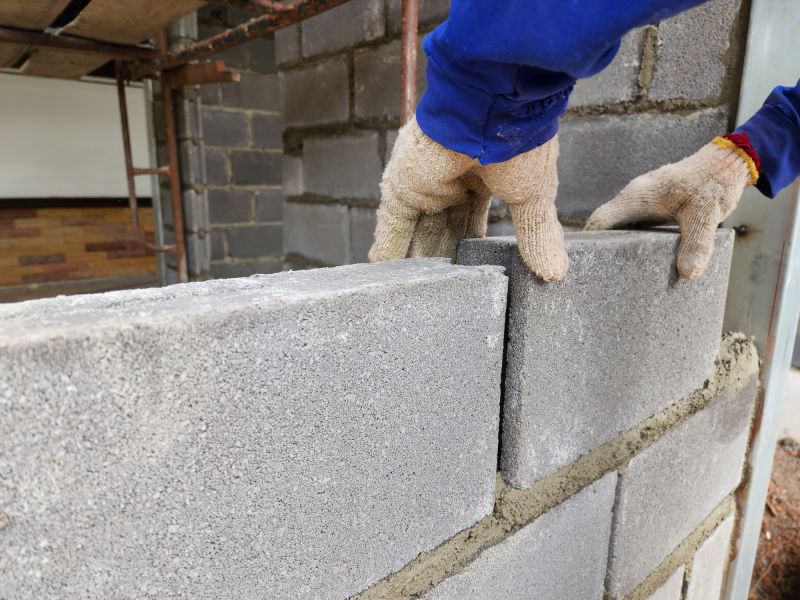
When considering concrete wall finishes for a property, many property owners in the area explore the differences between colored concrete walls and traditional concrete finishes. Colored concrete walls can add a vibrant, customized look to outdoor spaces, making them stand out with a variety of hues and finishes. This option is often chosen for decorative purposes, such as accent walls or visually appealing boundary fences, because it offers a way to personalize a property’s appearance without extensive additional features. On the other hand, traditional concrete finishes tend to focus on a more straightforward, utilitarian look, emphasizing durability and simplicity. Property owners might look into these finishes when seeking a classic, low-maintenance surface that can withstand the elements over time.
For those weighing their options, local contractors who specialize in concrete wall finishing can provide valuable insights and services tailored to specific project needs. Whether aiming for the bold aesthetics of colored concrete walls or the clean, functional appeal of traditional finishes, professional service providers can help determine the best approach based on the property’s style and intended use. These local experts can handle the installation, surface preparation, and finishing techniques necessary to achieve the desired look and longevity, making it easier for property owners to make informed decisions about their concrete wall projects.
What are the main visual differences between colored concrete walls and traditional concrete finishes? Colored concrete walls offer a range of hues and uniform color throughout, while traditional finishes typically have a natural gray tone with possible surface textures. Local contractors can help determine which style best enhances the appearance of a space.
Are colored concrete walls more durable than traditional concrete finishes? Both options are durable, but colored concrete walls often have added surface treatments that can improve resistance to staining and weathering. Service providers can advise on the best finishing techniques for longevity.
Can colored concrete walls be customized to match specific design preferences? Yes, colored concrete walls can be customized with a variety of colors and patterns, allowing for more personalized aesthetics. Local pros can assist in selecting and applying the finishes that match individual design goals.
What are the typical maintenance differences between colored concrete walls and traditional finishes? Colored concrete walls may require sealing to preserve color vibrancy, while traditional finishes often need less frequent treatment. Service providers can recommend maintenance routines suited to each finish type.
Are there structural or installation considerations unique to colored concrete walls? The installation process for colored concrete walls is similar to traditional finishes, but some coloring methods may require specific curing or surface preparation. Local contractors can ensure proper application for optimal results.
Color selection options - Property owners can explore different color choices to personalize outdoor walls, making colored concrete walls vs. traditional concrete finishes more visually appealing.
Design versatility - Local contractors can help incorporate decorative techniques like staining or coloring to achieve unique textures and styles with colored concrete walls.
Durability considerations - Choosing between colored concrete walls and traditional finishes can depend on the desired longevity and resistance to weathering, with local pros guiding the best options.
Maintenance approaches - Property owners might consider how each finish type affects cleaning and upkeep, with local service providers offering advice on preserving the appearance of both options.
If you are thinking about colored concrete walls vs. traditional concrete finishes for a property, this guide is meant to help you understand this topic, the typical project types, and how different options might fit your plans.
When you are ready, you can use the quote form on this page to share a few details about your project. From there, local pros can review the basics and follow up with options that match what you have in mind.